


Scalp micropigmentation can sometimes be lightened, removed or corrected, but the right option depends on the pigment, skin and condition of the existing work. Laser removal may be appropriate in some cases, while other results are better managed through fading, camouflage or carefully planned corrective work.
What should I do if I dislike my SMP?
My first advice is to pause before trying to cover it with more pigment, and to give yourself time to decide.
Scalp micropigmentation is a long-term cosmetic tattoo, so adding new impressions over work you already dislike can make assessment and correction more difficult.
Scalp micropigmentation is a long-term cosmetic tattoo, so adding new impressions over work you already dislike can make assessment and correction more difficult.
I begin by looking at the existing pigment, its color, density, placement and how the skin has healed. I also ask what concerns you most. You may feel the dots are too dark, too large, too blue or uneven. You may be unhappy with the hairline, the density or the way the result looks with your chosen hairstyle.
Please send a clear, unfiltered photograph when you enquire, and tell me when and where the treatment was done if you know. A photograph cannot replace an in-person assessment, but it can help me decide whether a consultation is appropriate.
At Rebel Aesthetic in Philadelphia, I assess the starting point before recommending a route. My role is to explain what is realistic, including when I do not think adding more pigment is the safest or most suitable choice.
Can scalp micropigmentation be removed with laser?
Laser treatment can lighten or remove scalp micropigmentation in some cases. It is not a single, guaranteed step, and the number of treatments varies according to factors such as pigment depth, saturation, color and how the skin responds.
Removal also has possible risks, including changes in the surrounding skin or scarring. That is why I do not treat removal as an automatic answer to every concern. The scalp has its own skin characteristics, hair follicles and sensitivity, so the plan needs to be assessed rather than assumed.
If laser removal is considered, you should have that option discussed with a suitably qualified removal professional. Depending on the result you want, partial lightening may be enough to allow a new plan, while complete removal may be the preferred goal. In other situations, allowing the pigment to fade naturally can be more practical than intervening immediately.
When can bad scalp micropigmentation be corrected?
Some unsatisfactory SMP can be improved, but correction is not the same as erasing the original treatment. I may be able to work with the existing pigment if the color, spacing and density leave enough room for a controlled change. If the work is very dark, dense or uneven, removal or lightening may need to come first.
Correction might involve improving the visual balance, softening an area or planning camouflage. The approach depends on the condition of the skin and the amount of pigment already present. Healed skin can hold new pigment differently from untreated skin, particularly where it has been worked over repeatedly or has developed texture.
I will not promise a perfect reversal before seeing you. A responsible consultation should cover the likely stages, limitations, healing and whether the most sensible option is correction, removal, natural fading or leaving the area alone for longer.
Can scar SMP be removed or corrected?
Scar camouflage needs particularly careful planning. Scalp micropigmentation can disguise the contrast of a scar by placing pigment in and around it, but it does not remove or repair the scar itself. Scar tissue may accept pigment differently from nearby skin, so the result and maintenance plan need to be individual.
If previous SMP has been placed over a scar and you are unhappy with it, I assess both the scar and the pigment before discussing changes. The order of treatments matters. Trying to correct everything at once can create unnecessary revisions, so I plan each stage around how the skin has healed.
You can read more about scalp scar camouflage with SMP if your main concern is a scar, rather than general thinning or a shaved-style result.
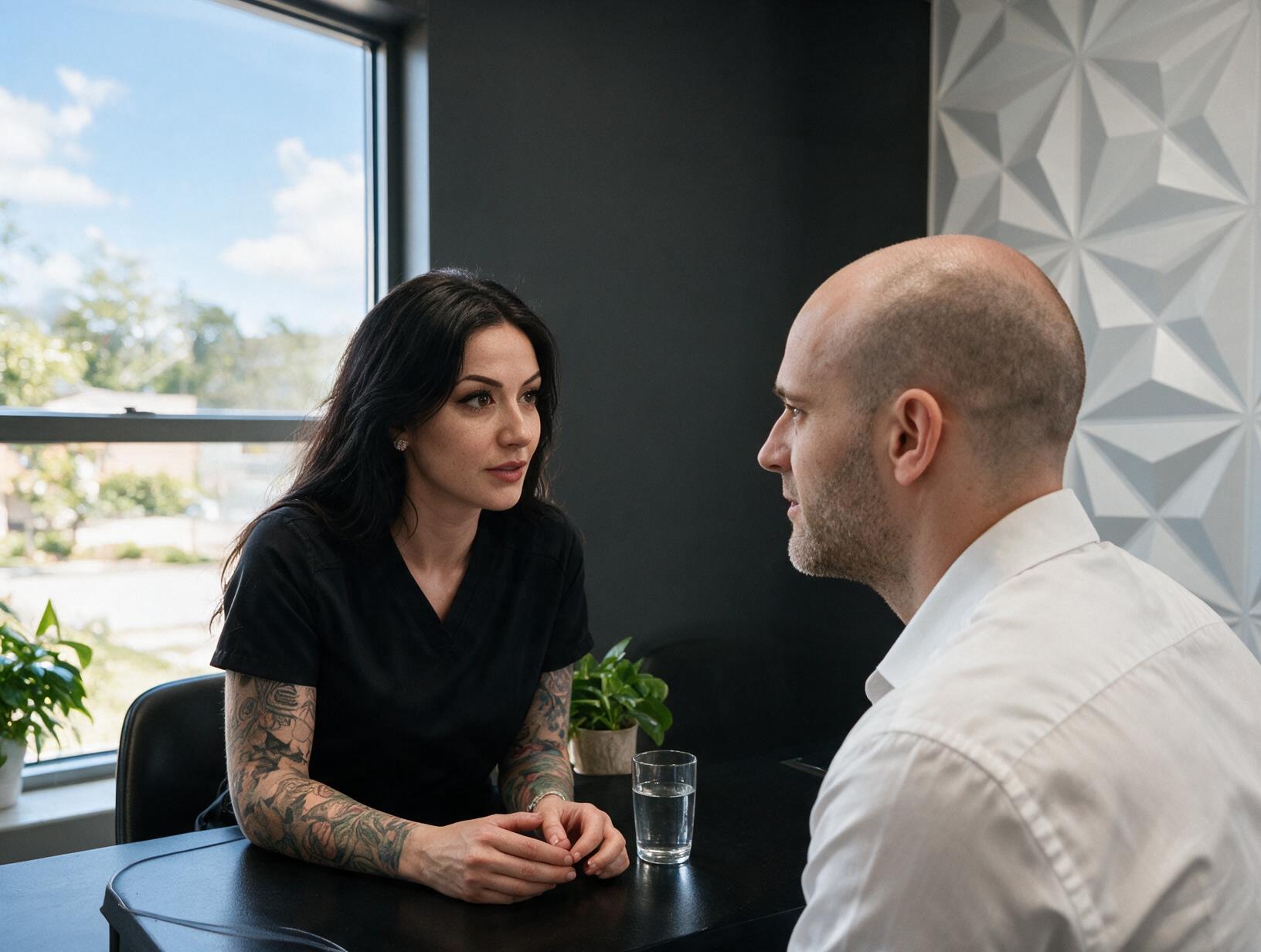
What happens during a correction consultation?
I will ask about your original treatment, any previous removal, changes in color and your preferred hairstyle. I look at the scalp in person and discuss what you want to change. Numbing is used for treatments at Rebel Aesthetic, although sensitivity varies between people and between correction cases.
We then discuss a staged plan if one is needed. That may mean allowing the area to settle, seeking removal or lightening, or planning corrective SMP after the skin is ready. I also explain aftercare and the importance of sun protection, because exposure can affect how cosmetic tattoo pigment looks over time.
My training includes more than 17 qualifications in scalp micropigmentation, permanent makeup and tattoo removal. I am AAM certified, a platinum-level AAM trainer and instructor, New Jersey certified and insured. Those credentials do not make every correction possible.
For general information, you can also review my scalp micropigmentation service page. If you are considering removal or trying to fix bad scalp micropigmentation, the most useful next step is an honest assessment rather than another treatment made in a hurry.
Get in touch to arrange a consultation and discuss your options without pressure.
Frequently asked questions
How soon can SMP be corrected after the original appointment?
The skin needs time to heal and the pigment needs time to settle before the result can be judged properly. Corrective work placed too early may add to irritation or make the color and density harder to assess. I decide on timing after reviewing the treatment history and the healed scalp.
Can I correct SMP that has turned blue or gray?
A changed color does not automatically mean it can be covered with a different pigment. The depth, density and tone of the existing work all matter. In some cases, lightening or removal is more appropriate before correction. I assess the color in person and explain what outcome is realistic.
Will removal leave my scalp looking completely clear?
No provider should guarantee a completely clear result. Laser removal may lighten or eliminate pigment, but outcomes vary and risks include skin changes or scarring. Natural fading may be preferable in some situations. Your removal professional should explain the likely stages and limitations before treatment begins.
Can I have corrective SMP if I still have hair?
Possibly. The plan depends on your hair pattern, existing pigment, hairstyle and the reason for correction. SMP may be used for different types of thinning and density concerns, but adding pigment around unsuitable existing work may not help. I assess how the result will look with your hair as it is worn.
Should I shave my head before an SMP correction consultation?
You do not need to make a major hairstyle change before the consultation. I need to understand how you normally wear your hair and what you want the result to look like. Bring clear photographs from different angles if useful, especially if your hair length changes between appointments.
Can sun exposure affect old or corrected SMP?
Sun exposure can affect the appearance of cosmetic tattoo pigment over time. I discuss sun protection as part of planning and aftercare. Protecting the scalp is especially relevant when you are monitoring a correction, because the color needs to be assessed as consistently as possible while the skin heals.