

What makes a foundation suitable for mature skin?
When I help clients think about makeup alongside permanent makeup, I encourage them to start with the finish rather than the label. A foundation marketed for mature skin may work well, but the formula still needs to suit your individual skin.
As skin changes with age, it can become drier, thinner, or more textured. Fine lines may be more visible, and heavier makeup can collect in them as you speak, smile, and move. A foundation that looks smooth in the first few minutes may not remain comfortable or flattering several hours later.
In most cases, I would look for a foundation that is:
- Lightweight and flexible rather than thick or rigid
- Hydrating without leaving a greasy film
- Natural, satin, or softly radiant in finish
- Buildable, so coverage can be added only where needed
- Easy to blend without repeated rubbing
That does not mean mature skin cannot wear full coverage or a matte finish. It means those textures need more careful preparation and application. The best result is usually skin that still looks like skin, with redness or uneven tone softened rather than completely masked.
Is a dewy or matte foundation better for mature skin?
A soft satin finish is often the most versatile choice. It gives the skin some life without the obvious shine that can emphasize pores or texture. A gently radiant foundation may suit dry skin, especially when used over a well-prepared base.
Very matte formulas can make dry areas look flatter and may draw attention to crepiness. However, a completely dewy formula can move more easily, highlight texture, or look oily across the forehead, nose, and chin. If you prefer a luminous finish, I would apply it selectively rather than layering it heavily everywhere.
Powder foundation is not automatically unsuitable. A finely milled powder can work for someone who prefers light coverage and has combination skin, but too much powder can settle into lines. I generally prefer applying a small amount with a soft brush and keeping powder mainly to areas that genuinely become shiny.

How much coverage should mature skin foundation provide?
Coverage should be chosen according to what you want to soften, not according to age. Some clients want to even out redness, while others are concerned about pigmentation, visible capillaries, or an uneven complexion. You may not need the same coverage on every part of your face.
A medium, buildable formula can be useful because you can apply a thin layer overall and add a little more around the nose, chin, or areas of discoloration. This usually looks more natural than placing a heavy layer across the entire face.
For under-eye darkness, I would be cautious about using foundation as the main corrective product. A small amount of concealer, placed precisely, may give better coverage with less product. Heavy layers around the eyes are more likely to crease and emphasize fine lines.
Test the foundation in natural daylight if possible. Indoor lighting can make a shade appear more flattering than it really is. Check the color along the jaw and allow it a little time to settle before deciding.
How should you prepare mature skin before foundation?
Preparation can make as much difference as the foundation itself. Begin with gentle cleansing, then use a moisturizer that suits your skin. Give skincare time to settle before applying makeup, particularly if the moisturizer is rich or contains oils.
If your skin is flaky, avoid aggressively scrubbing immediately before makeup. That can increase irritation and leave the surface more uneven. A consistent skincare routine is usually more helpful than trying to correct dryness at the last minute.
Use primer only where it solves a specific problem. A hydrating primer may help dry areas, while a smoothing or oil-controlling primer may be useful around the nose or forehead. Applying primer across the whole face is not always necessary.
Sun protection remains important for overall skin health. Choose a sunscreen that sits comfortably beneath makeup, and allow it to absorb before applying foundation.
What is the best way to apply foundation to mature skin?
I usually recommend starting with less product than you think you need. Place a small amount in the center of the face, then blend outward with a damp sponge, soft brush, or clean fingertips, depending on the formula. Pressing and stippling are often gentler than vigorous sweeping.
Keep the layer particularly light around the eyes, the corners of the mouth, and any creased areas. If you need additional coverage, add it locally after the first layer has settled. This approach helps preserve dimension and avoids a mask-like finish.
Look at the result from several angles and in daylight. If foundation has gathered in a line, use a clean fingertip or small brush to remove the excess rather than adding more powder. A light setting mist may help some formulas wear comfortably, but it is not essential.
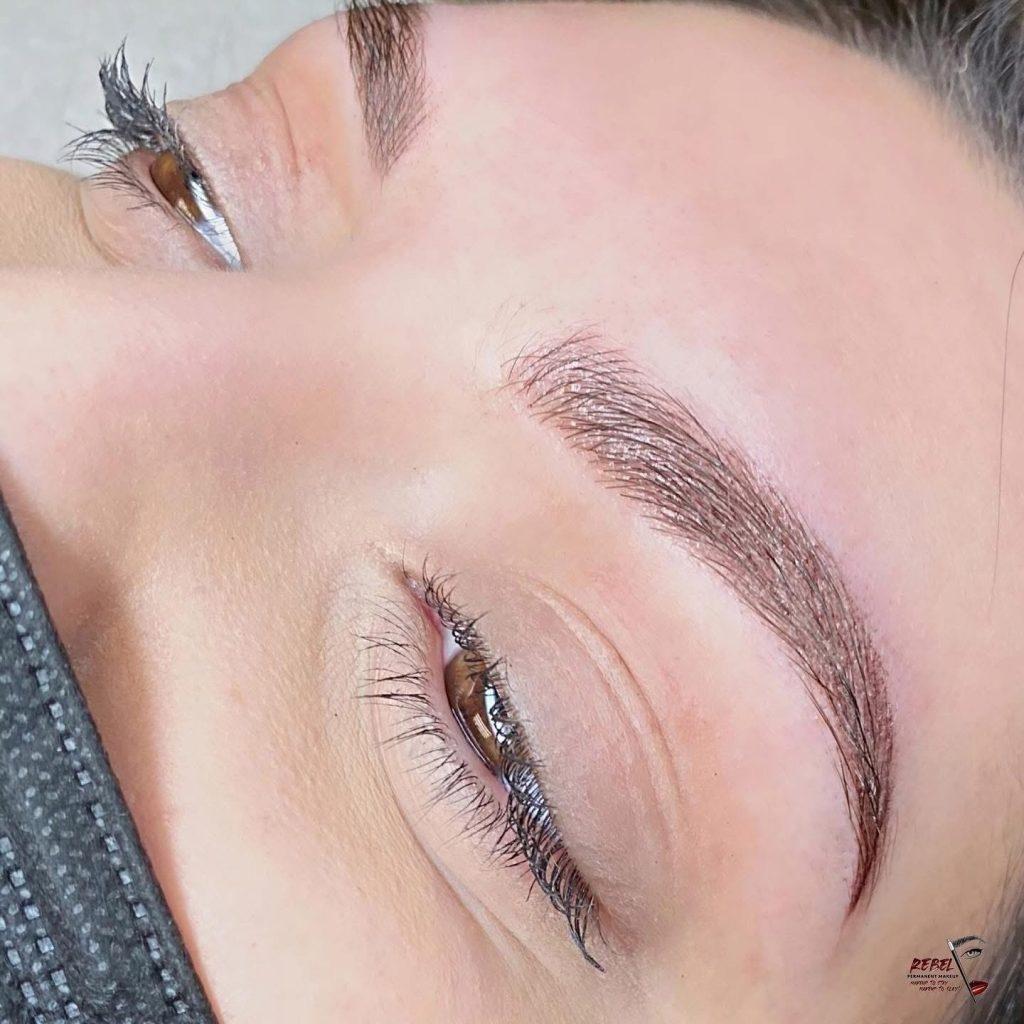
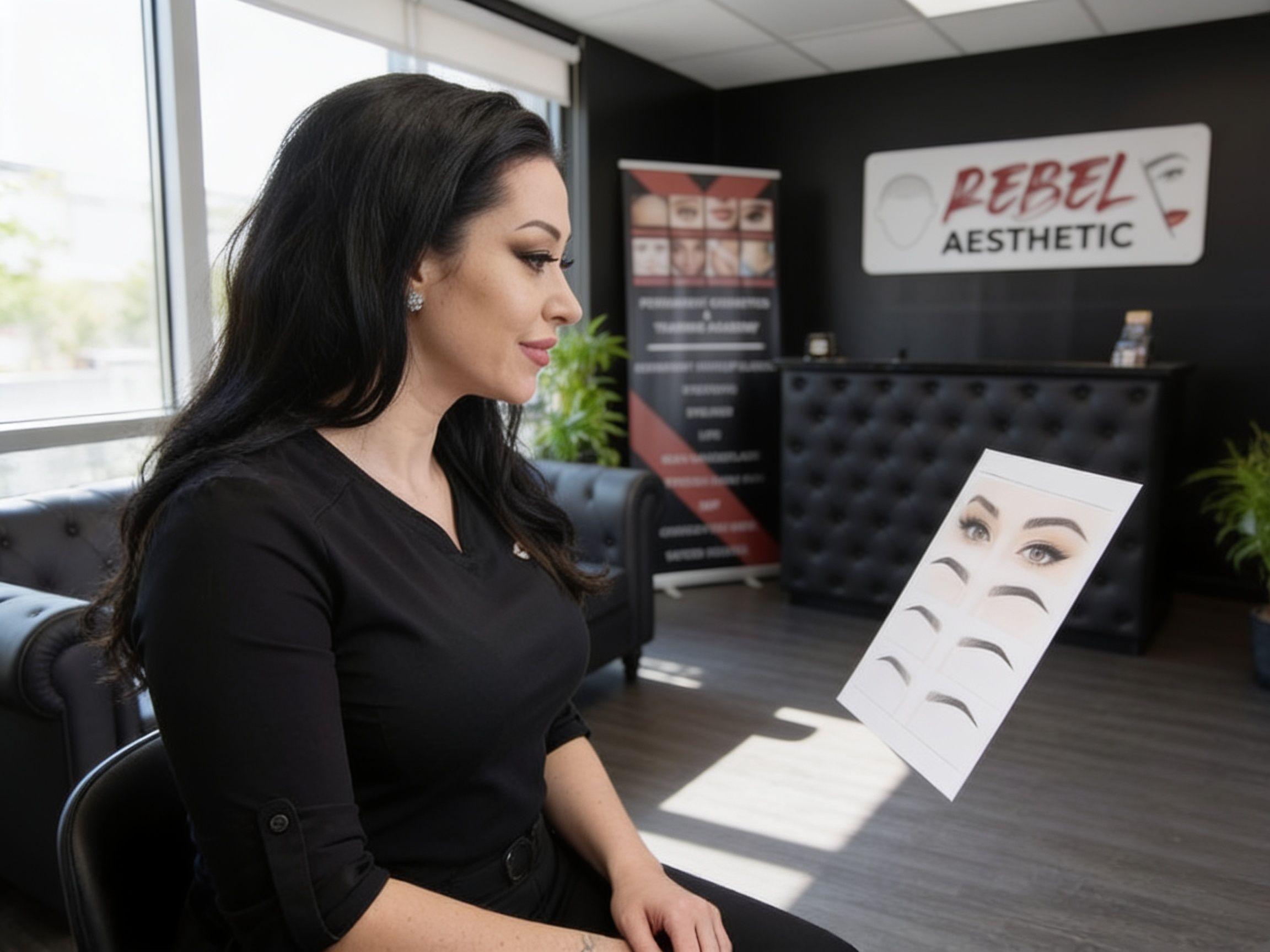
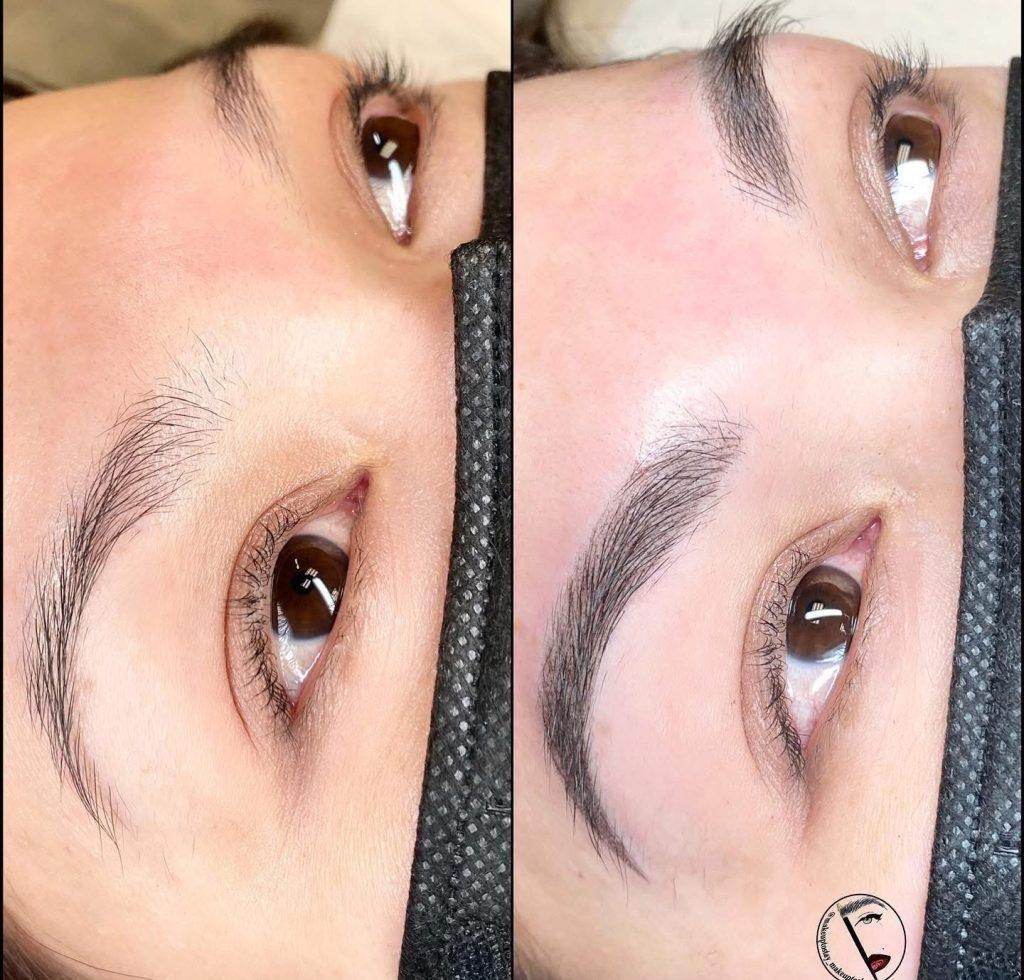
My work at Rebel Aesthetic focuses on permanent makeup, so I also think about how everyday makeup should complement features rather than compete with them. If you are considering brow enhancement, you may find my guide to brow styles for mature skin helpful.
What should you consider if your skin is sensitive or textured?
If your skin reacts easily, try a small amount of a new product on an inconspicuous area first. Stop using it if it causes persistent burning, itching, or a rash.
Texture cannot be completely removed by foundation, and trying to cover every detail often makes it more noticeable. A thinner application, careful skincare, and realistic expectations generally produce a more comfortable result.
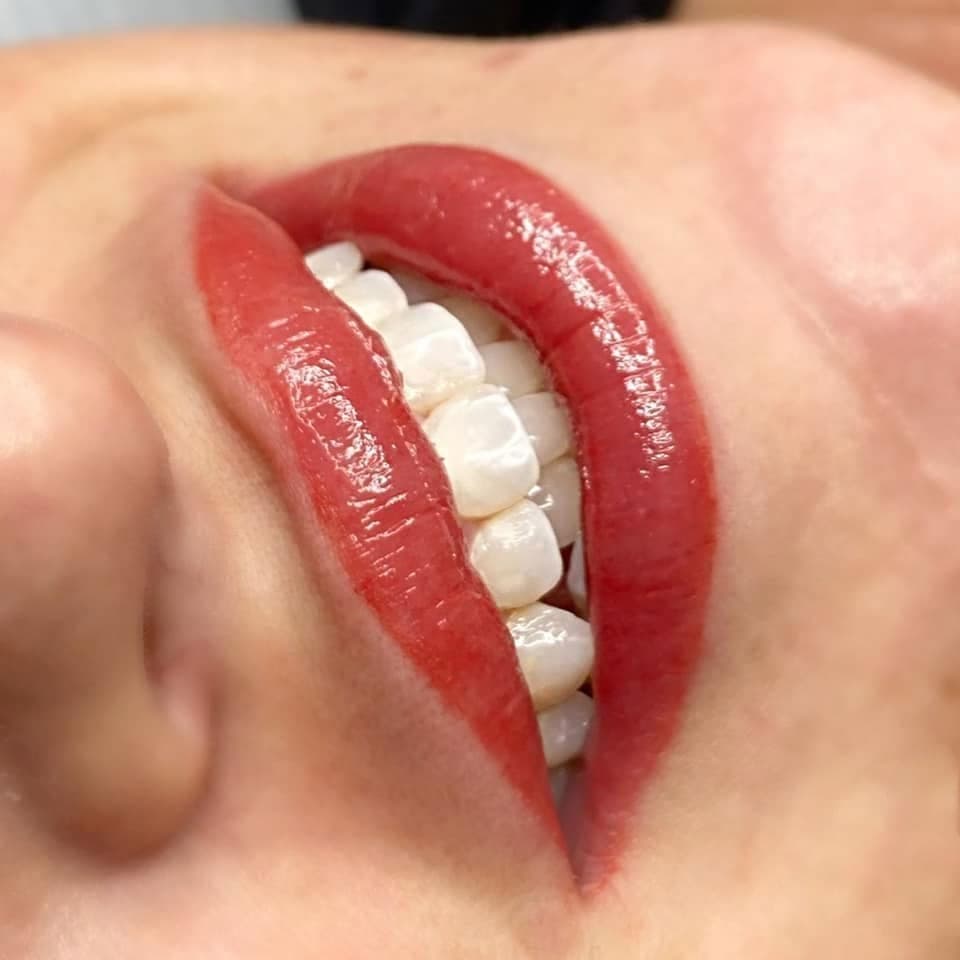
If you are arranging a permanent makeup appointment, tell me about allergies, active skin conditions, medications, and recent cosmetic treatments during consultation. Numbing is used, and I want to understand your skin and expectations before proceeding. Rebel Aesthetic is in Philadelphia, and you can also read about permanent makeup lip treatments for Moorestown clients.
For any permanent makeup procedure, aftercare matters while the color settles. You can read the practical guidance in my permanent makeup aftercare instructions before deciding whether the treatment fits your routine.
If you would like to talk through permanent makeup options, you are welcome to book a consultation.
Frequently asked questions
Should mature skin use foundation with SPF?
Foundation with SPF can be useful, but it should not usually replace a dedicated sunscreen. Makeup is often applied too thinly to provide the protection shown on the label. Apply broad-spectrum sunscreen first, allow it to settle, and then use foundation for coverage and finish.
Can mature skin wear full-coverage foundation?
Yes. The most flattering approach is often to use a thin layer where you want overall evening, then add coverage only to areas that need it. Applying less around expression lines can help prevent creasing and heaviness.
Why does my foundation settle into wrinkles?
Foundation may settle because the formula is too thick, the skin is dehydrated, or too much product has been applied. Skincare residue can also cause movement. Try using less moisturizer immediately before makeup, allow products to settle, and apply foundation in thin layers.
Is tinted moisturizer better than foundation for mature skin?
Tinted moisturizer can be a comfortable option when you want sheer coverage and a lighter feel. It may not provide enough correction for redness or pigmentation, and some formulas can be too rich for combination skin. The best choice depends on the coverage and finish you want.
Should I use a primer with mature skin foundation?
Use primer when it addresses a particular concern, such as dryness, shine, or uneven texture. You may not need it on every area of the face. Applying different small amounts to different zones can work better than covering the whole face with one heavy primer.
How can I stop foundation looking dry during the day?
Start with suitable moisturizer and avoid applying excessive powder. Choose a flexible, natural-finish formula, then press a little moisturizer or setting mist onto dry areas if the product allows it. Blotting and gently redistributing makeup is usually better than adding another layer.