

You've priced out a hair transplant, looked at the recovery time, and decided it's not for you. Now you're staring at scalp micropigmentation quotes that vary widely and wondering which one is actually appropriate for your scalp size, hair loss pattern, practitioner, and treatment plan. Here's the honest breakdown, region by region, session by session, so you know what you're paying for before you sit in the chair.
A full shaved head SMP treatment is priced according to scalp size, the extent of hair loss, practitioner experience, and the number of sessions required, with the final cost confirmed at consultation. That range isn't padding; it reflects real differences in scalp size, the extent of your hair loss, and who's holding the needle. I've worked with clients whose final costs differed for what looked, on paper, like similar cases because of treatment scope, practitioner experience, and the sessions and touch-ups involved. The difference always comes down to a handful of specific factors.
Why the price range is so wide across the country
Geography moves the number more than most people expect. In New York, Los Angeles, and major cities in New Jersey, session rates tend to run higher because studio overheads and practitioner training cost more. A full shaved-look treatment in these markets is affected by studio overhead, practitioner training, scalp size, hair loss severity, and the number of sessions required, with pricing confirmed at consultation. In smaller cities across the Midwest or the South, the same scope of work is affected by local studio overhead, practitioner qualifications, treatment coverage, and session requirements, with pricing confirmed at consultation.
State classification adds another layer. Some states regulate SMP under the same rules as tattooing, requiring a body art licence and bloodborne pathogens certification. Others have no specific SMP licensing category at all, which means pricing and qualification standards vary wildly from one practitioner to the next. This is exactly why "SMP near me" searches turn up such inconsistent quotes: you're not just comparing prices, you're comparing entirely different regulatory environments.
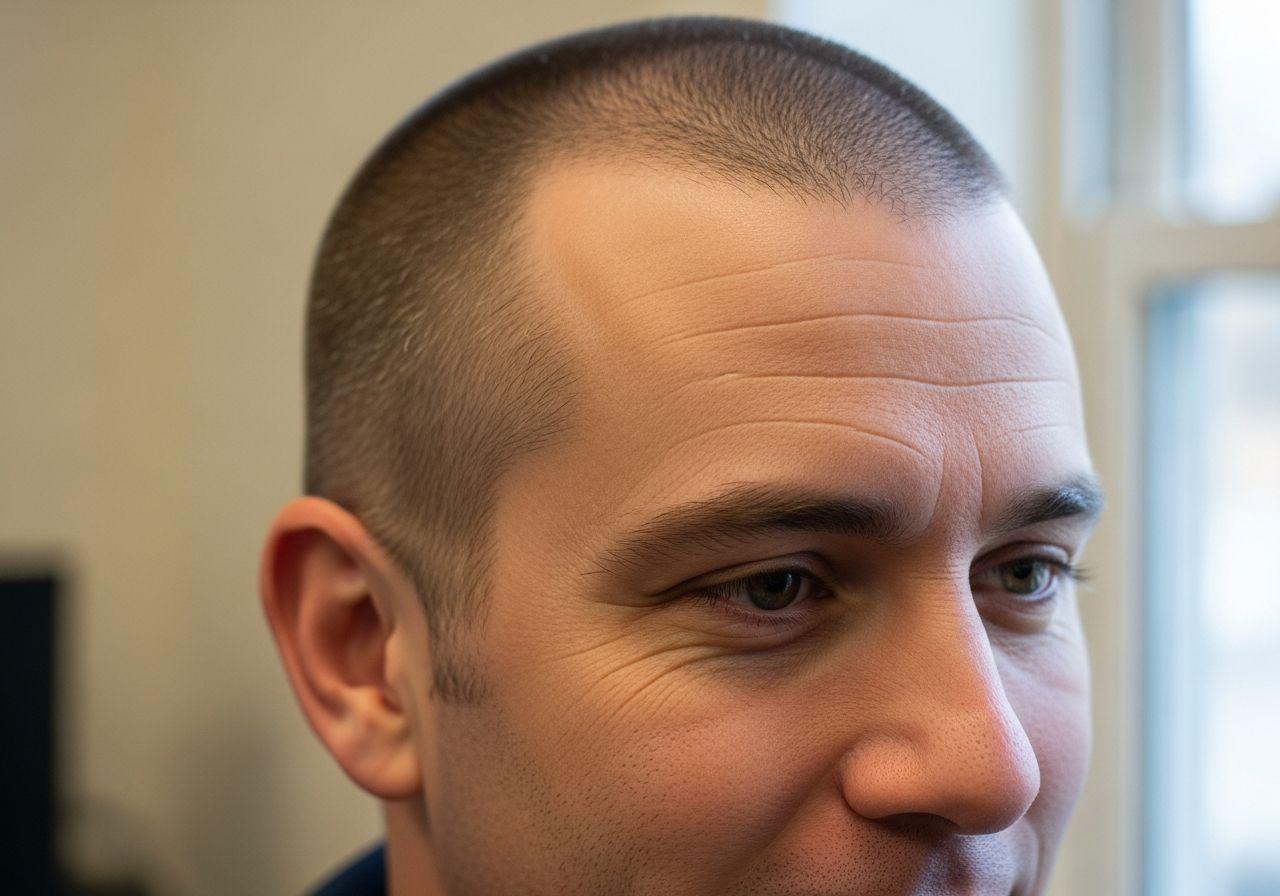
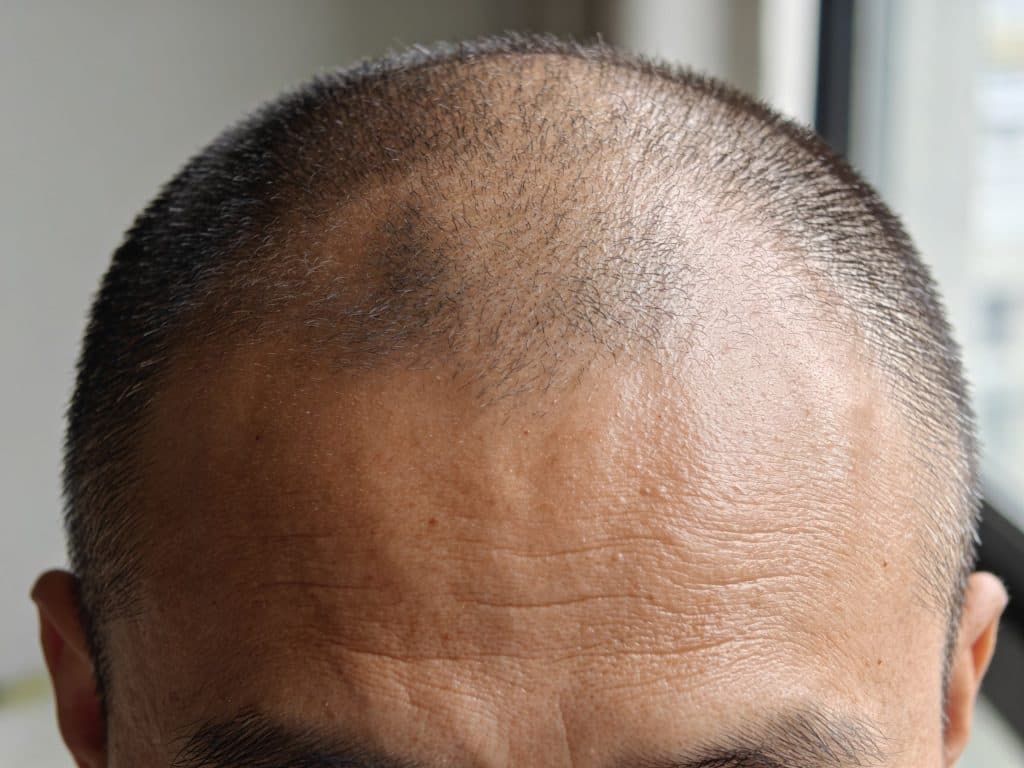
Scalp size and the degree of hair loss also shift the total cost. A Norwood 3 pattern with some remaining density needs less pigment work than a Norwood 6 or 7, where the entire scalp is treated from hairline to crown. Larger treatment areas mean more time per session and often an additional session altogether. Practitioners typically increase pigment dot density progressively, starting around 40 dots per square centimetre in early sessions and building to 80 or more in the final pass, so a fuller scalp simply takes longer to reach that finished density.
What the session structure actually looks like
Most full shaved-head cases need two to four sessions, spaced two to four weeks apart, with each session running one to five hours depending on coverage. The first session lays the foundation pattern. The second and third build density and refine the hairline. A fourth session is sometimes added for clients with extensive hair loss or those who want a slightly denser finish.
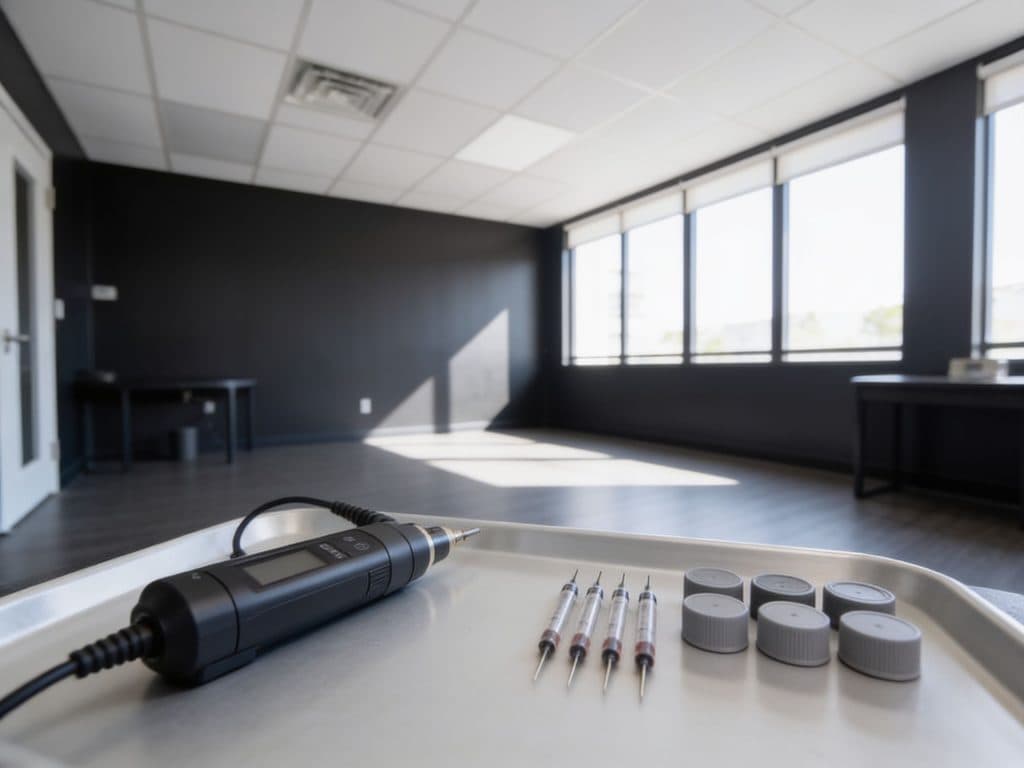
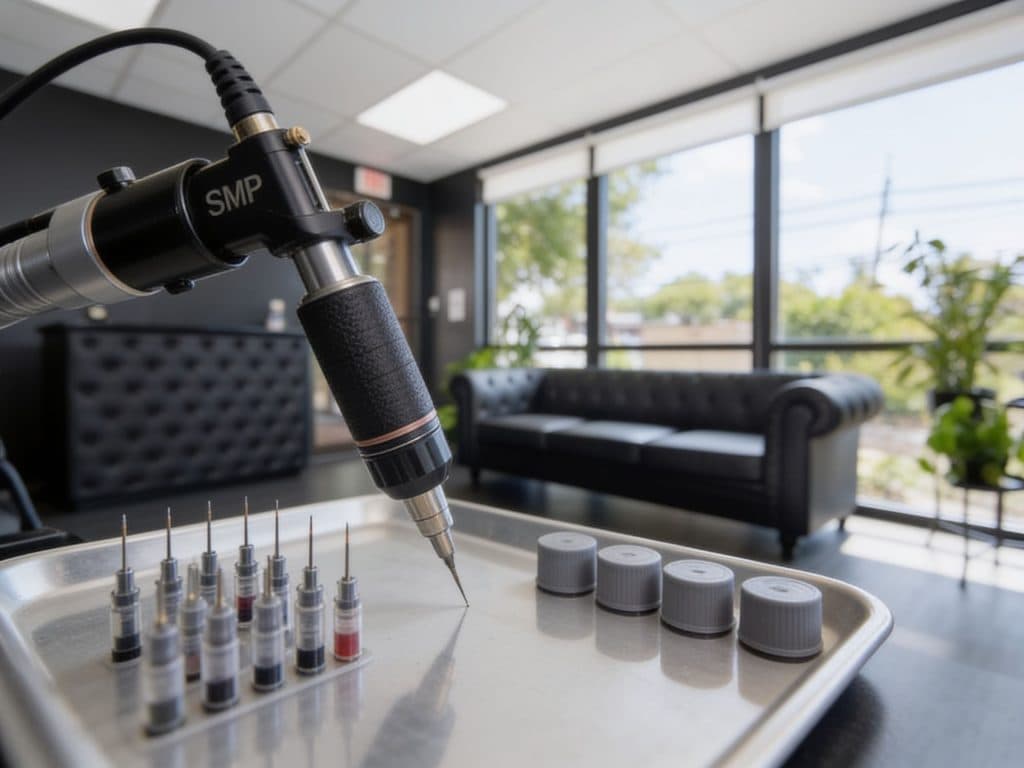
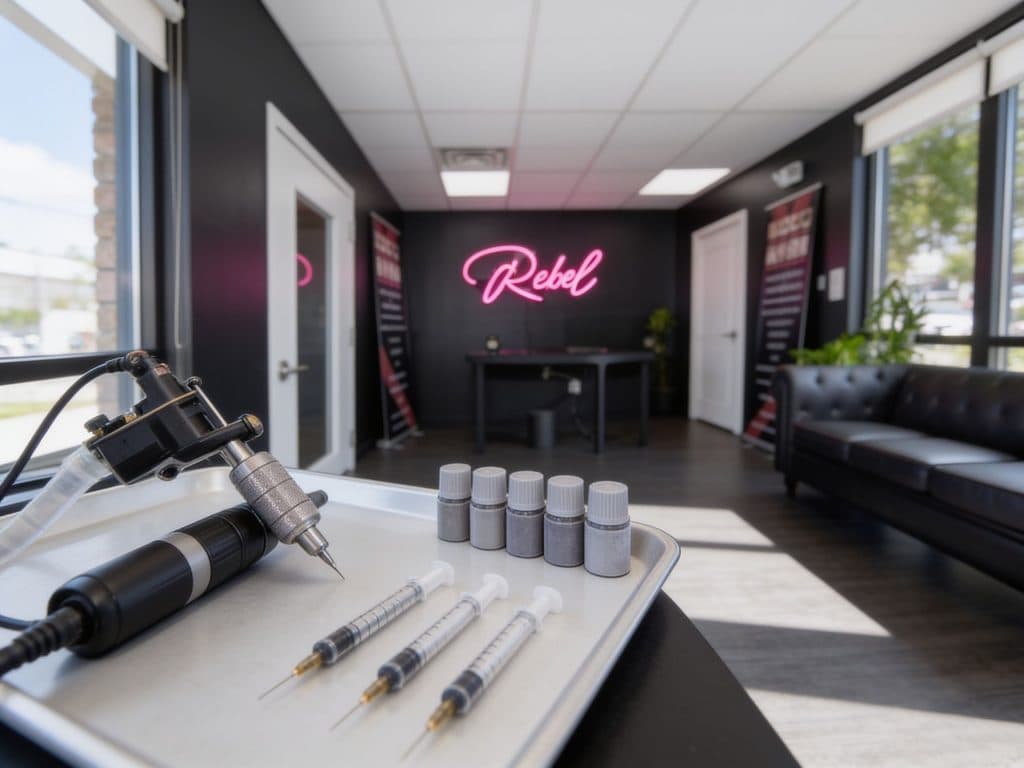
Needle selection changes by zone, which is part of why pricing isn't a flat hourly rate. Hairline work uses a finer single-point needle for precision, while the crown and temple areas use a broader triple-point needle to build density faster. This zone-specific approach is also why an experienced practitioner, one with genuine scalp micropigmentation pricing transparency and years of case history, often charges more per session than someone newer to the technique. You're paying for judgement about depth, spacing and pigment shade as much as for the time itself.
Lead with longevity when comparing quotes, not with the lowest number on the page. Results from a well-executed shaved head SMP treatment typically last four to eight years before noticeable fading. A cheaper quote that fades in eighteen months because of poor pigment depth or thin coverage isn't actually cheaper once you factor in a full redo.
What touch-up sessions cost separately
Touch-ups aren't included in the original quote, and any practitioner telling you otherwise isn't being straight with you. Expect a touch-up every four to six years as pigment fades through natural epidermal turnover and sun exposure. A typical touch-up session depends on how much refresh work is needed, your region, skin type, sun exposure, and the practitioner, with the price confirmed at consultation.
Skin type and lifestyle affect how soon you'll need one. Oilier skin and heavy sun exposure tend to accelerate fading, while consistent SPF 30 to 50 application on the scalp after full healing helps results hold longer. Mature skin and drier skin types often stretch touch-up intervals closer to the six-year mark rather than four.
Budget for the touch-up as part of the real long-term cost, not as a surprise. The lifetime cost depends on how long the initial treatment holds, how quickly your skin and lifestyle cause fading, the extent of any refresh work, and whether a near-total redo is needed. Ask any practitioner directly what their touch-up pricing structure looks like before you book the first session, not after.
What actually justifies a higher quote
Certification matters more in this field than most people realise, because SMP has no universal licensing standard in the US. A practitioner registered with the American Academy of Micropigmentation, carrying a body art licence and bloodborne pathogens certification, has cleared a bar that plenty of untrained operators simply haven't. That training shows up in the finished result: correct pigment depth, natural dot randomisation, and a hairline that doesn't look drawn on.
Poor outcomes from undertrained practitioners are a documented risk in this industry, and fixing a botched SMP treatment costs significantly more than paying properly the first time. Colour shifts to blue or grey, pigment bleeding from incorrect needle depth, and unnatural patterning are all correctable, but correction work is its own separate cost on top of what you already paid.
Ask specifically how many years of experience or treatments your practitioner has completed, what needle depth they work to, and how many sessions they expect your case to need before quoting a final number. Those three answers tell you more about value than the headline price ever will.
Ready to talk it through?
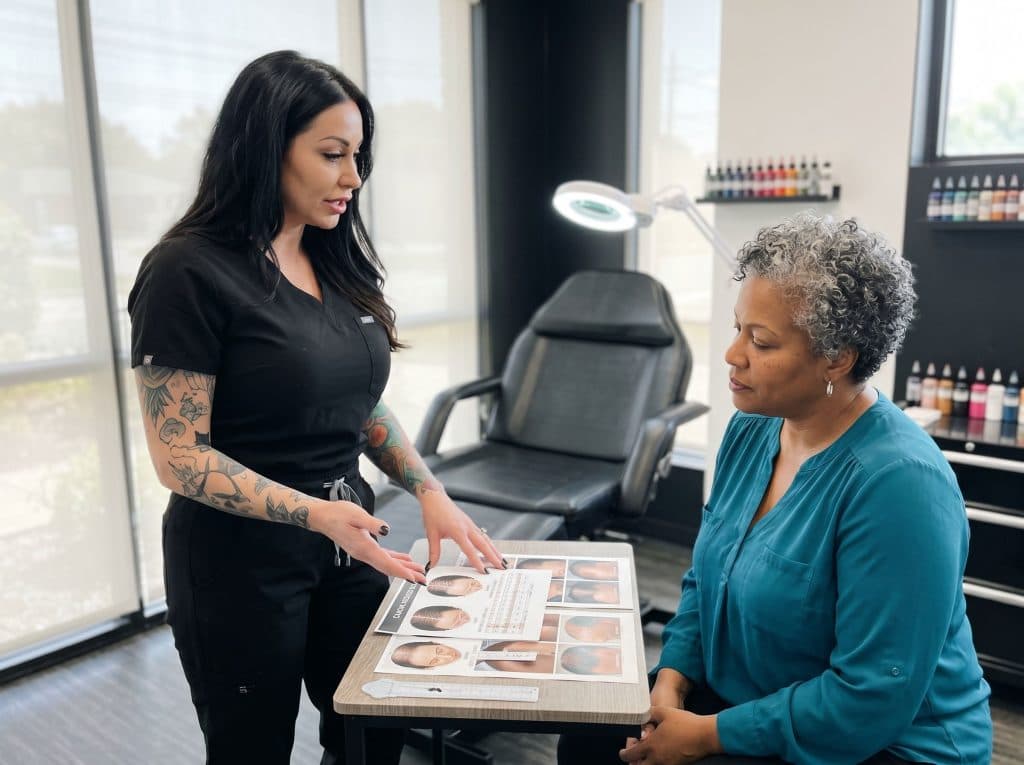
Rebel Aesthetic in Philadelphia offers a personal consultation to answer your questions and recommend the right approach for you. Get in touch with Rebel Aesthetic to book your consultation.
Frequently asked questions
Why does shaved head SMP cost more in some places than others?
I see geography move the price more than most people expect. Major cities such as New York, Los Angeles and those in New Jersey tend to run higher because studio overheads and practitioner training cost more. State rules also differ, since some regulate SMP like tattooing and others have no SMP licensing category, so quotes vary widely.
What else changes the total cost?
Scalp size and the degree of hair loss matter. A pattern with some remaining density needs less pigment work than one where the whole scalp is treated from hairline to crown, which takes more time overall. An experienced practitioner often charges more per session, because you are paying for judgement about depth, spacing and pigment shade.
Are touch-ups included in the original quote?
No. Touch-ups are not included in the original quote, and any practitioner who says otherwise is not being straight with you. Expect one every four to six years as pigment fades through natural skin turnover and sun exposure. Oilier skin and heavy sun speed that up, while daily SPF after healing helps results hold longer.
What justifies a higher quote?
Certification matters, because SMP has no universal licensing standard in the US. A practitioner registered with the American Academy of Micropigmentation, carrying a body art license and bloodborne pathogens certification, has cleared a bar many untrained operators have not. Fixing a botched treatment costs significantly more than paying properly the first time.
How many sessions does a full shaved-head SMP treatment require?
Most full shaved-head cases need two to four sessions, spaced two to four weeks apart. The first session lays the foundation pattern, while the second and third build density and refine the hairline. A fourth session may be added for extensive hair loss or for clients who want a slightly denser finish.
How long can shaved-head SMP results last?
Results from a well-executed shaved-head SMP treatment typically last four to eight years before noticeable fading. Natural epidermal turnover and sun exposure gradually affect the pigment. Oilier skin and heavy sun exposure can accelerate fading, while consistent SPF 30 to 50 application on the scalp after full healing helps results hold longer.