


Your hairline is thinning and you already know why. Years of tight braids, ponytails, or extensions have left the edges looking sparse, and you are wondering whether anything can actually fix it. This article explains exactly what SMP can and cannot do for traction alopecia in women, so you can decide whether it is the right path for you.
1. SMP works with the hair you still have, not against it
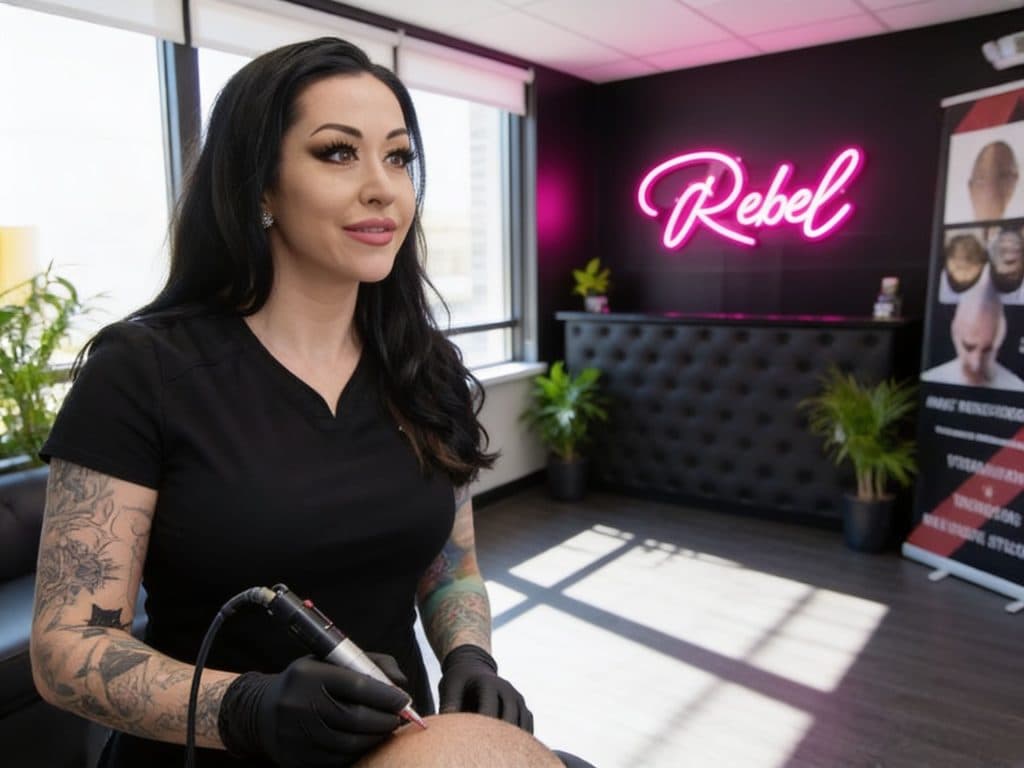
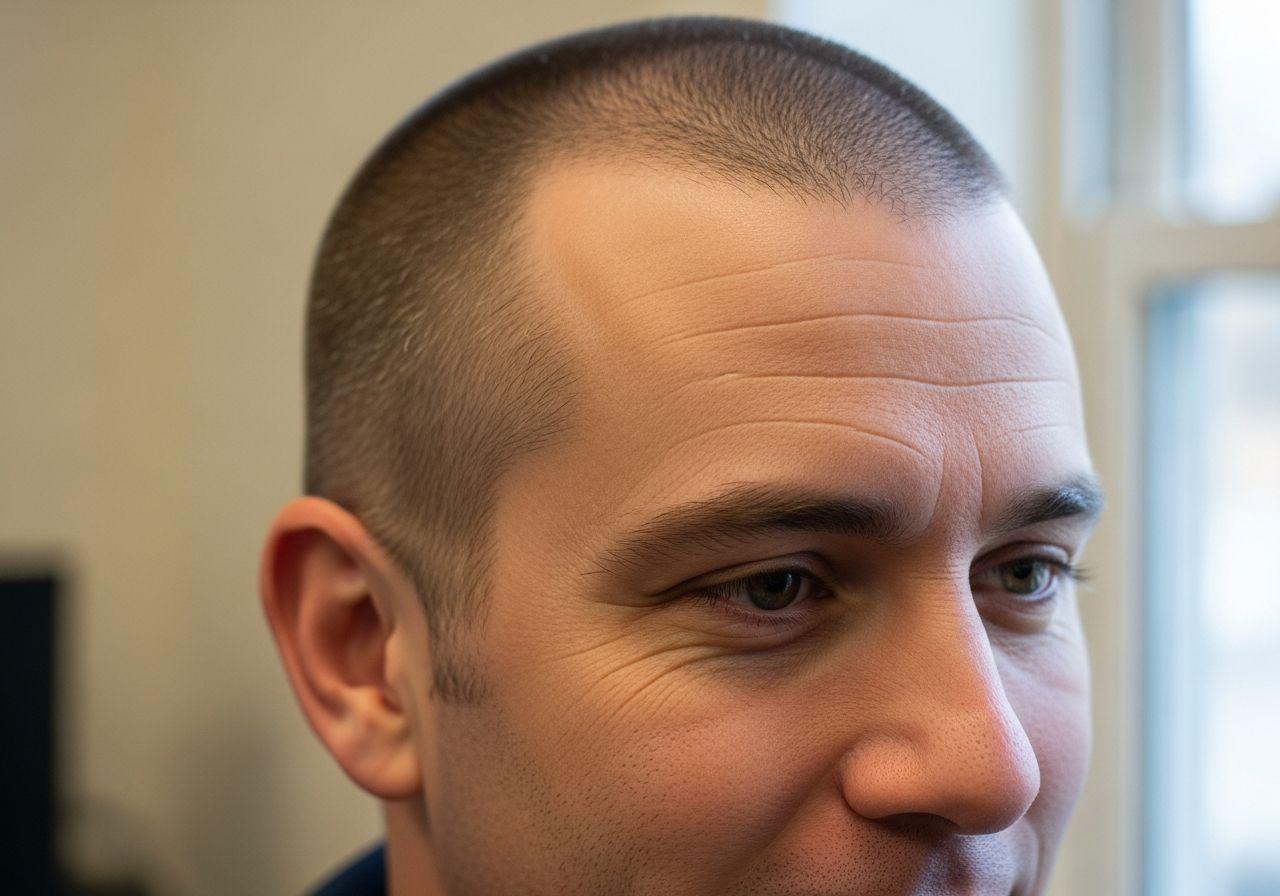
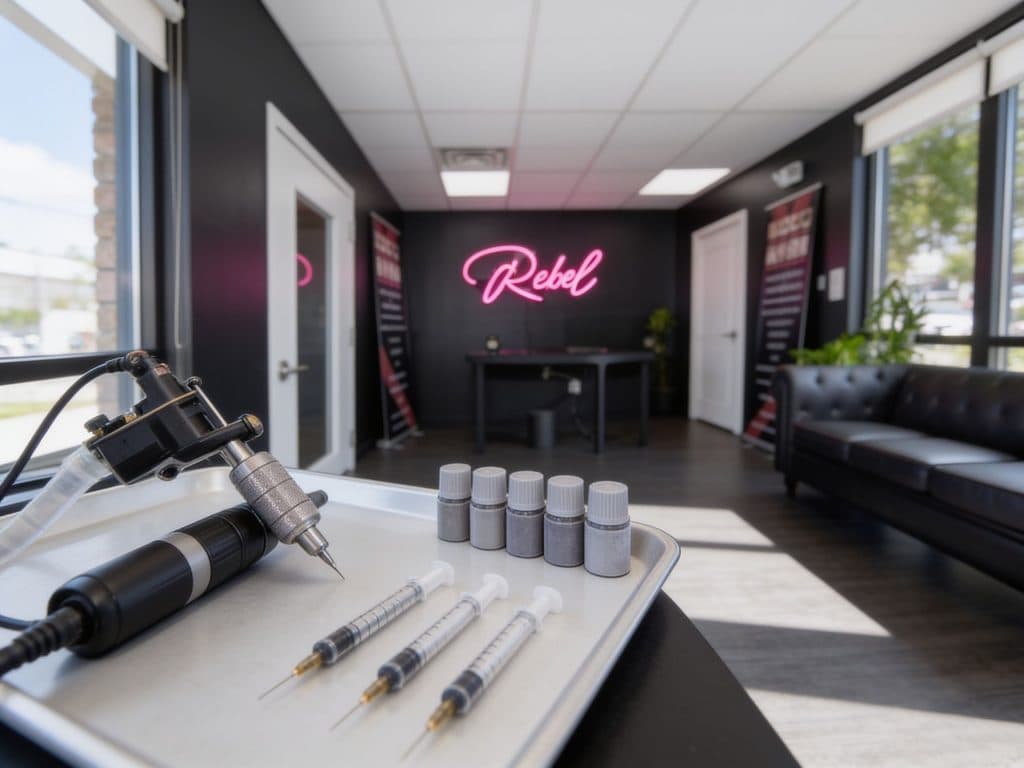
Scalp micropigmentation for women with traction alopecia is a density procedure, not a shaved-head look. Pigment is placed precisely into the scalp to replicate the appearance of hair follicles, adding visual depth between existing hairs and along thinning edges.
The result is a fuller-looking hairline and denser-looking temples without affecting your existing hair. You keep your length, your styling options, and your identity. The procedure simply fills in what is missing.
2. The earlier you act, the more the SMP has to work with
Traction alopecia progresses in stages. In the early phase, hair follicles are stressed but still present. In later stages, scarring can set in and follicles become permanently inactive. SMP is effective at any stage, but the earlier you address it, the more seamlessly the pigment blends with existing density.
Many women wait years hoping the hair will return on its own. Some of it does. But the hairline rarely fully recovers without intervention, and SMP combined with a change in hairstyle habits gives the best visual outcome.
3. Tight hairstyles are the cause, but the damage is cumulative
Hair loss from tight hairstyles does not happen overnight. Constant tension on the follicle over months or years weakens the root, causes inflammation, and eventually leads to permanent loss, particularly at the temples and front hairline where tension is highest.
Braids, weaves, high ponytails, and certain protective styles are common contributing factors. This does not mean you have to abandon these styles entirely, but understanding the mechanics matters. Alternating styles, loosening tension, and allowing recovery periods make a measurable difference to long-term follicle health.
4. The emotional weight of hairline loss is real and it is valid
For many women, especially those for whom protective styling is deeply cultural or practical, traction alopecia carries a particular emotional charge. The hairline frames the face. When it recedes, it can affect how you feel in every photograph, every mirror, and every social situation.
Clients often describe hairline thinning as the hair loss they feel least able to talk about, because it feels self-inflicted. It is not. It is a structural response to physical stress, and it is one of the most treatable forms of hair loss there is.
5. Not every SMP practitioner understands female hairline design
Female hairline SMP is a specialist skill. The hairline shape, the softness of the edge, the pigment depth, and the transition between treated and untreated areas all require a different approach to male SMP work. A hairline that suits a man's face will look wrong on a woman.
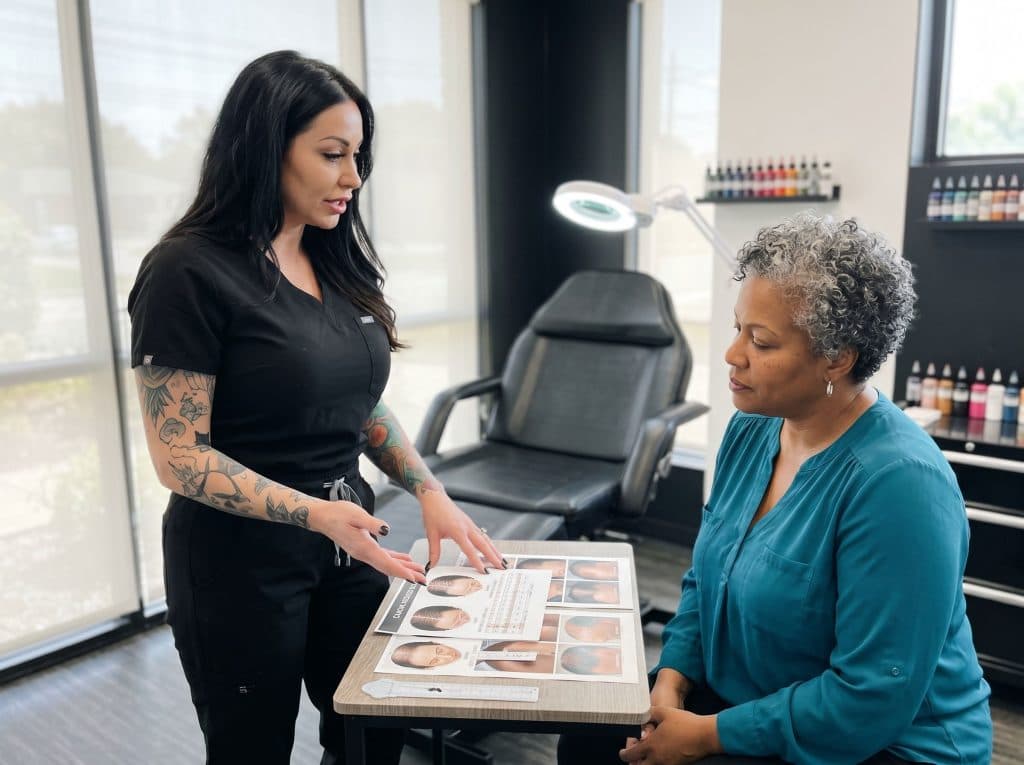
When choosing a practitioner, look for someone with a specific portfolio of female traction alopecia cases, not just general SMP work. The design consultation should involve a detailed discussion of your natural hairline shape, your skin tone, your hair colour, and how you typically wear your hair. If a practitioner skips that conversation, look elsewhere.
Traction alopecia is one of the most common forms of hairstyle-related hair loss seen in practice, and it is one where SMP consistently delivers results that feel genuinely transformative. The combination of stopping further damage and visually restoring the hairline gives women back something they thought was gone for good.
Frequently Asked Questions
Can SMP fully restore a hairline lost to traction alopecia?
SMP does not regrow hair, but it can restore the visual appearance of a fuller hairline by placing pigment that mimics hair follicles. For most women with traction alopecia, this creates a result that looks natural and significantly reduces the visible contrast between thinning and dense areas.
Will I still be able to wear my hair in braids or a ponytail after SMP?
Yes. Female SMP is a density procedure performed on unshaved hair, so your styling options remain unchanged. However, reducing tension on the hairline going forward is strongly advisable to prevent further follicle damage. Looser styles and regular breaks from tight hairstyles help protect the results long term.
How many sessions does traction alopecia SMP for women usually take?
Most women with traction alopecia require two to three sessions spaced several weeks apart. The first session establishes the base density, with subsequent sessions refining colour match, edge softness, and depth. The exact number depends on the extent of the thinning and your skin's response to pigment.
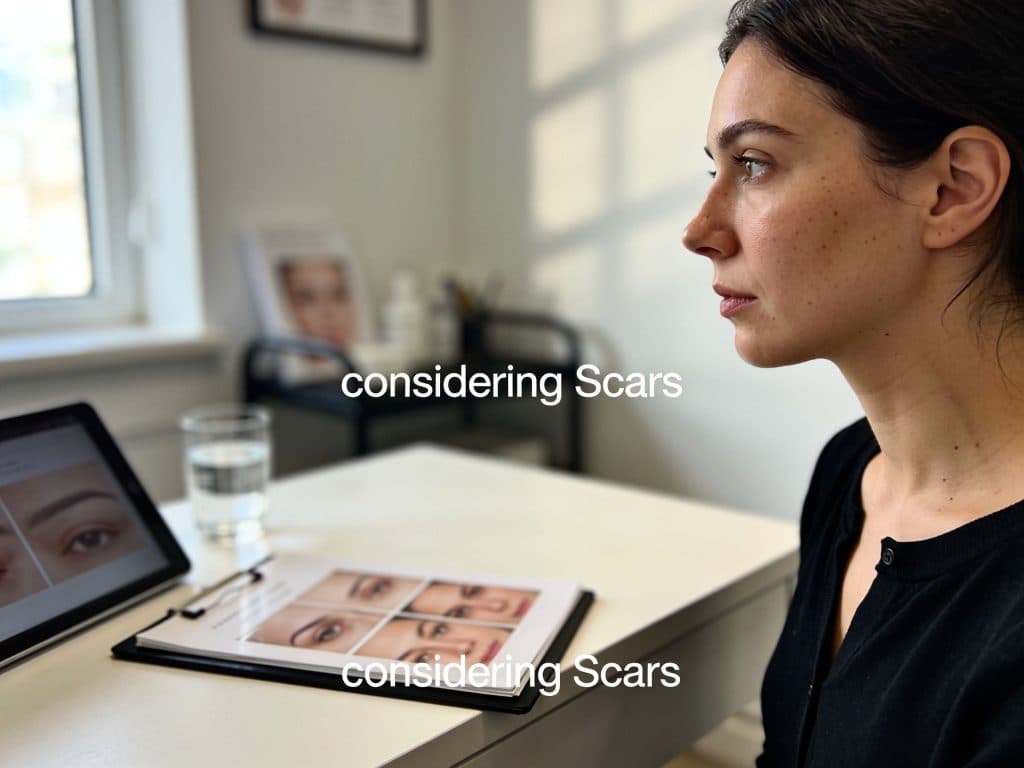
Does SMP work on scarred areas where follicles are no longer active?
SMP can be placed over scar tissue, but pigment retention in scarred skin is less predictable than in healthy scalp. Additional sessions may be needed to achieve consistent coverage. A skilled practitioner will assess the extent of scarring during the consultation and provide a realistic expectation for that specific area.
Is traction alopecia SMP permanent?
SMP is a long-lasting cosmetic procedure rather than a strictly permanent one. Pigment gradually softens over several years depending on skin type, sun exposure, and aftercare. Most women find that a single refresh session every few years is enough to maintain the density and hairline definition achieved by the original treatment.
Will SMP affect the hair I still have?
SMP is performed as a density procedure on unshaved hair and does not affect your existing hair. Pigment is placed into the scalp to create visual depth between remaining hairs and along thinning edges. You keep your hair length, styling options, and overall appearance while the treated areas look fuller.