


What causes alopecia areata?
I explain alopecia areata as an immune-related hair loss condition, rather than a problem caused by poor scalp care or something you have done. The immune system targets hair follicles, which interrupts normal hair production. The follicle is not necessarily destroyed, so regrowth can occur, although the timing and extent are difficult to predict.
Hair fall alopecia areata often begins with one or more smooth, clearly defined patches. The affected skin may look normal, without the scaling or inflammation associated with some scalp conditions. Short broken hairs or tapered hairs may appear around the edge of a patch, but only a clinician can confirm the diagnosis.
Several conditions can look similar, including fungal infection, traction-related loss, telogen effluvium, thyroid or other metabolic problems, medication effects, and different forms of alopecia. That is why I would not recommend assuming that every round patch is autoimmune alopecia areata.
How does alopecia areata progress?
The progression is variable. Some people have one small patch that fills in and does not return. Others experience repeated episodes, with existing patches enlarging or new patches appearing elsewhere. Hair may regrow in one area while another area becomes affected.
Progression can be described by the amount and distribution of hair involved:
- Patchy alopecia areata: distinct areas of scalp hair are missing.
- Alopecia totalis: hair loss affects the entire scalp.
- Alopecia universalis: hair loss extends beyond the scalp and may involve eyebrows, eyelashes and body hair.
These categories describe the pattern at a particular point in time. They do not provide a perfect forecast. A person with patchy loss may remain stable, improve, or develop more extensive loss. In the same way, regrowth can be partial, temporary, or complete.
Some people notice changes in their nails, such as small dents or surface roughness. This can occur alongside alopecia areata, but it is not present in everyone. Sudden eyebrow or eyelash loss is also worth discussing with a healthcare professional.
| Type | What it means |
|---|---|
| Patchy alopecia areata | Distinct areas of scalp hair are missing. |
| Alopecia totalis | Hair loss affects the entire scalp. |
| Alopecia universalis | Hair loss extends beyond the scalp and may involve eyebrows, eyelashes and body hair. |
Can alopecia areata grow back?
Yes, hair can grow back, because alopecia areata does not always permanently destroy the follicle. Regrowth may happen without treatment, but it can be uneven and the new hair may initially be fine, white, or a different texture. A patch can also recur after it appears to have recovered.
The longer-term outlook depends on factors such as the extent of hair loss, whether it is continuing to spread, the pattern of involvement, and whether other areas such as the eyebrows are affected. I would avoid making promises about regrowth based only on photographs or the size of one patch.
If you have new or expanding hair loss, arrange an assessment with a dermatologist or another qualified healthcare professional. They can examine the scalp, consider testing where appropriate, and discuss treatment options. Scalp micropigmentation does not cure alopecia areata, stop immune activity, or stimulate hair growth, so it should be considered camouflage rather than a medical treatment.
When is alopecia areata stable enough for SMP?
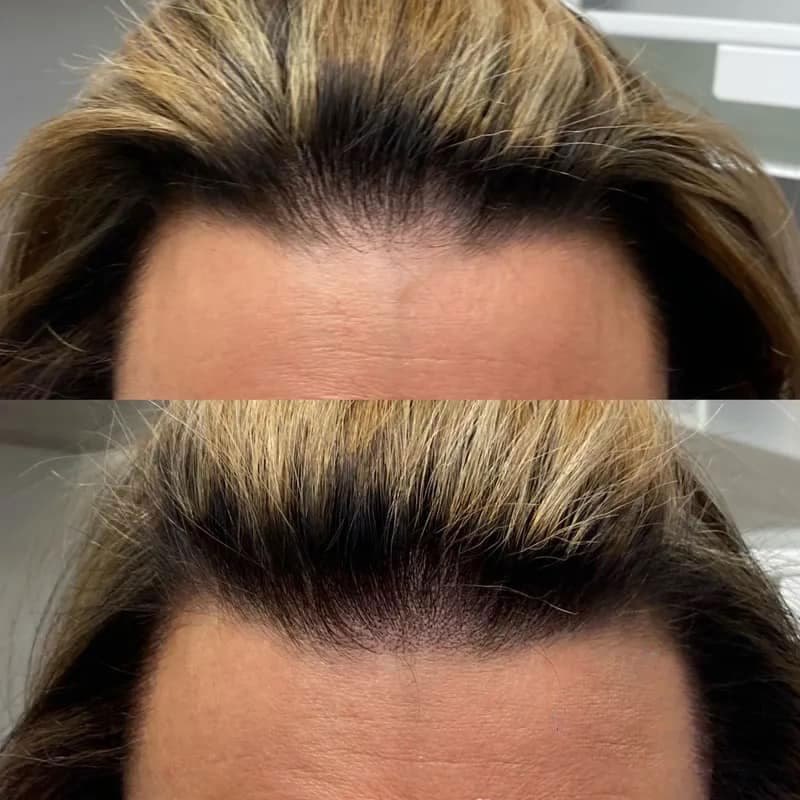
I usually think about scalp micropigmentation only after the hair loss pattern and medical situation have been properly assessed. SMP places tiny pigment deposits in the scalp to reduce the contrast between the skin and surrounding hair or to camouflage areas where hair is absent. It cannot predict whether a new patch will develop next month.
For that reason, active or rapidly changing alopecia needs a careful discussion with the treating healthcare professional before cosmetic camouflage is considered. If patches continue to change, the final design may no longer match the hair loss pattern. With more aggressive loss, especially where a woman or man wears longer hair, SMP may work best alongside hairstyle adaptations rather than as a stand-alone answer.
You can find more detail on the SMP for alopecia service page. For women with patchy or more diffuse loss, I also explain how a density approach may be considered in SMP for women with alopecia areata.
What should I ask before choosing camouflage?
Start by clarifying the diagnosis and whether the condition is currently active. Bring your medical history, information about previous episodes, and details of any treatment you are using. I would also want to understand whether the area is scarred, inflamed, tender, or affected by another scalp condition.
A consultation should cover the likely pattern of future hair loss, the color and density of any remaining hair, your preferred hairstyle, and what you expect the pigment to achieve. A realistic result is a visual reduction in scalp show-through or a carefully planned camouflage effect.
Safety matters as well. Active eczema, psoriasis flare-ups, scalp acne, a history of keloid scarring, some immune-compromising conditions, and certain medications may affect suitability. An experienced SMP professional should review these points, use sterile equipment and explain aftercare before treatment. Any concerning redness, swelling, warmth, drainage, severe pain, or fever after a procedure should be referred promptly to a healthcare provider.
At Rebel Aesthetic in Philadelphia, I discuss the medical background and cosmetic goal before deciding whether a camouflage plan is appropriate.
If you would like to discuss your pattern of loss and whether camouflage is appropriate, you can book a consultation without committing to treatment.
Frequently asked questions
Is alopecia areata contagious?
No. Alopecia areata is not an infection and does not spread from person to person. It is associated with an immune response affecting hair follicles. Even so, a new patch should be assessed because other scalp conditions can resemble alopecia areata and may need a different form of treatment.
Does stress directly cause alopecia areata?
Stress is often reported around the time hair loss begins, but it is not accurate to say that stress alone causes every case. Alopecia areata involves immune activity and has a complex background. A clinician can help separate possible triggers from other causes of sudden or patchy hair loss.
Can alopecia areata affect eyebrows and eyelashes?
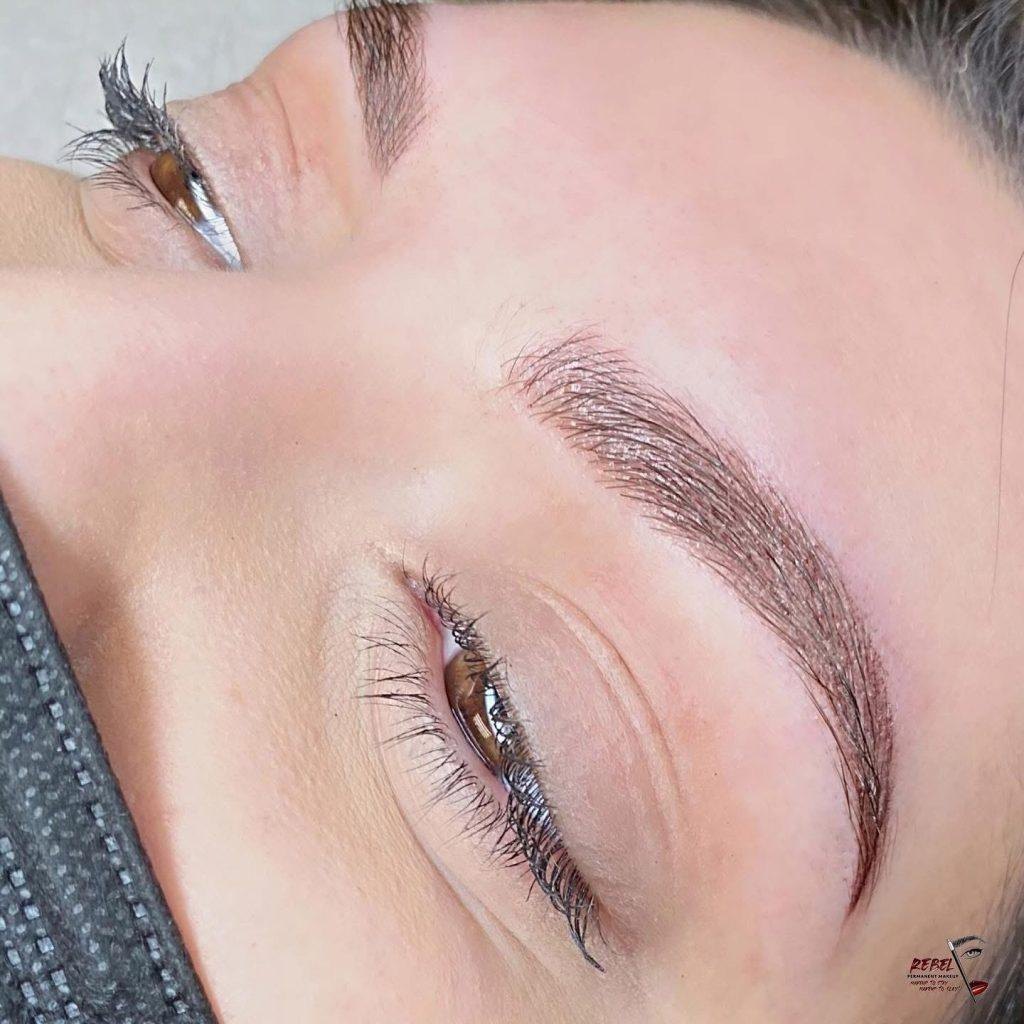
Yes. Although scalp patches are common, alopecia areata can also involve eyebrows, eyelashes, beard hair, or other body hair. Loss in these areas can affect eye protection and appearance, so it is worth mentioning every affected area during a medical assessment rather than focusing only on the scalp.
Is alopecia areata the same as female pattern hair loss?
No. Alopecia areata usually creates sudden, defined patches or more extensive unpredictable loss. Female pattern hair loss more often causes gradual, diffuse thinning, with the frontal hairline commonly maintained. Because the causes and patterns differ, the correct diagnosis should come before choosing treatment or cosmetic camouflage.
Can SMP hide every alopecia areata patch?
SMP may camouflage selected areas by reducing the contrast between scalp and hair, but it cannot guarantee coverage of every patch. New loss, regrowth, changes in hair color, scarring, and hairstyle all affect the result. Longer hair may also require styling changes to make the camouflage read naturally.
Will SMP make alopecia areata worse?
SMP does not treat the immune cause of alopecia areata, and any tattoo-based procedure carries risks such as infection, allergic reaction, pigment changes, or abnormal scarring. Suitability should be reviewed carefully, particularly if the scalp is inflamed, the loss is active, or you have a history of keloids.
Can I have SMP if my alopecia areata is stable?
It depends, as stability alone is not the only consideration. A consultation should review your diagnosis, scalp condition, medications, scarring history, remaining hair, hairstyle, and expectations. I would also discuss the possibility that future episodes could alter the pattern and mean that later adjustments are needed.