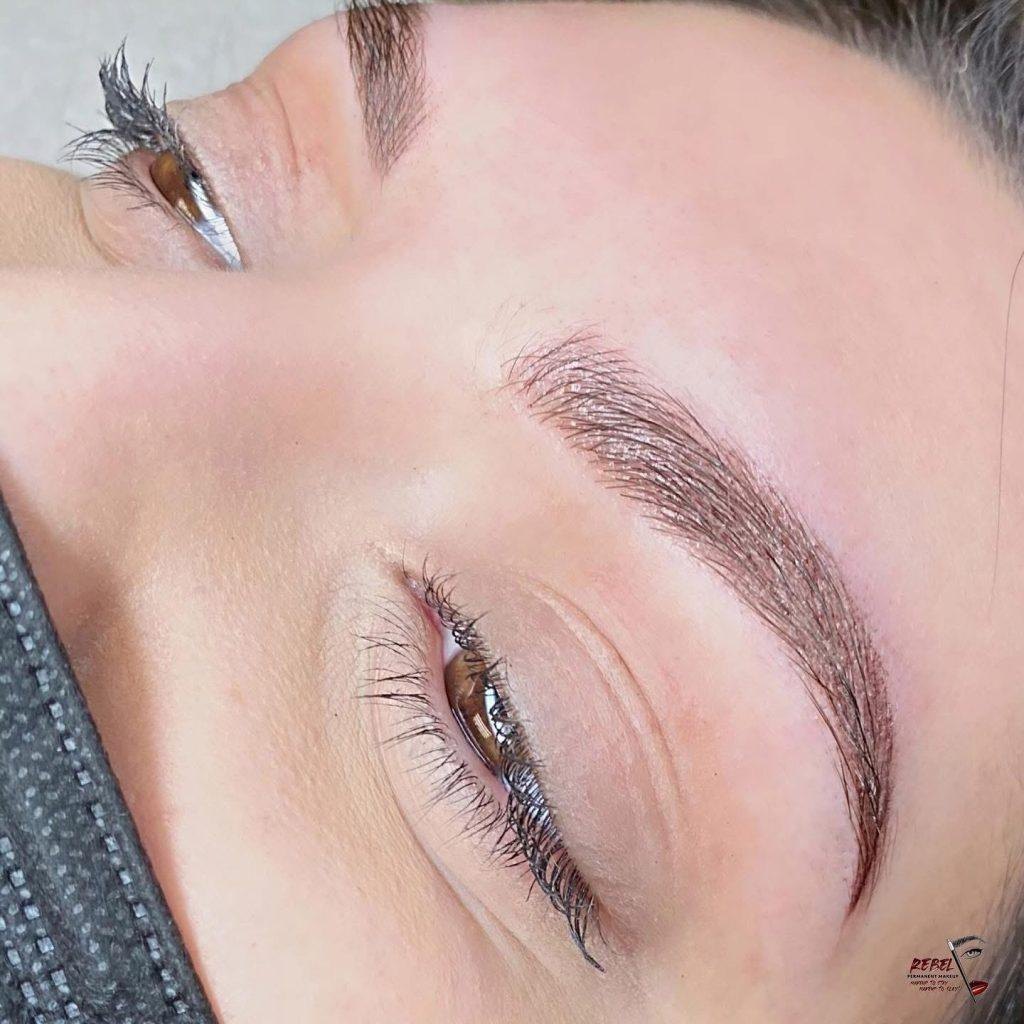

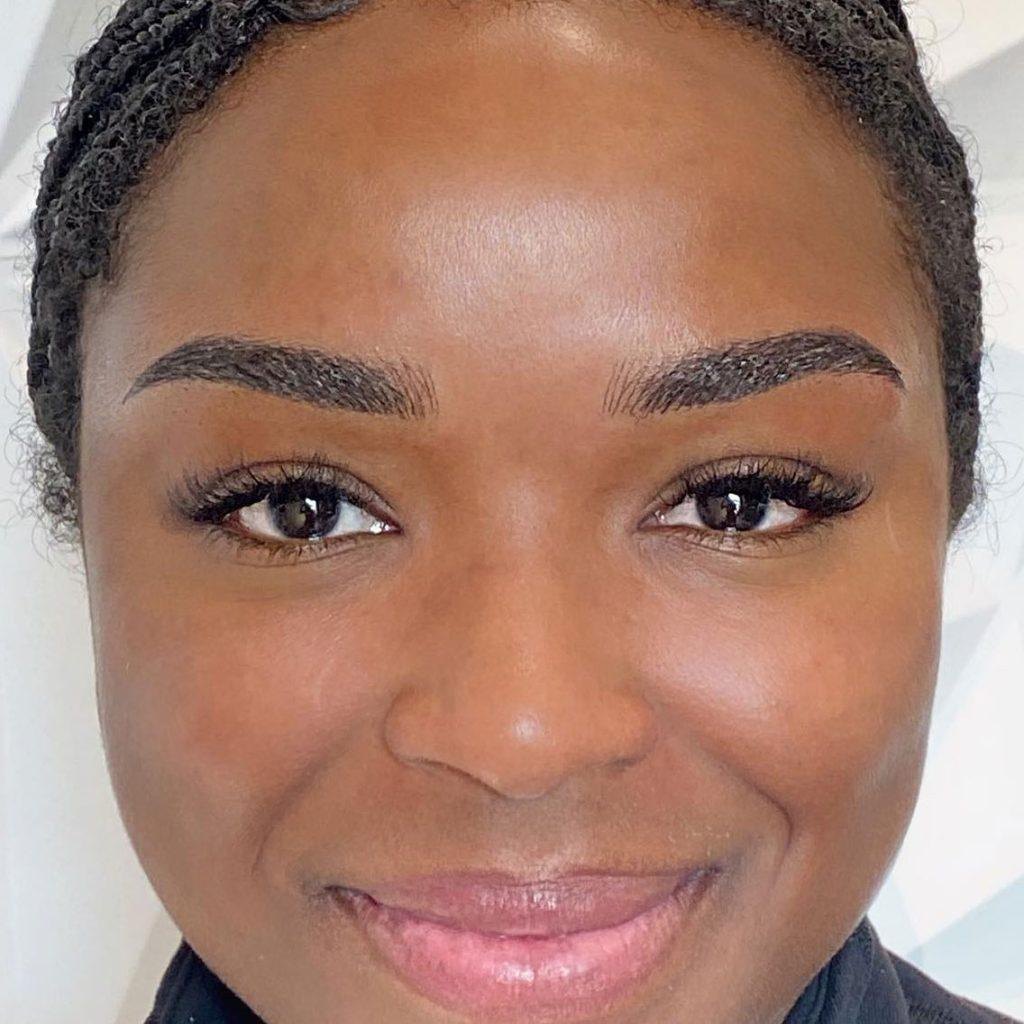

Ombre brows can look darker and more defined immediately after treatment, but this is usually temporary. As the skin heals, the color softens and settles into a powdery finish. I choose the shape, shade, and density with your features in mind, so the aim is enhancement, not brows that overpower your face.
Why do ombre brows look darker at first?
The first look is not the healed result. Immediately after an ombre brows appointment, pigment sits close to the surface of the skin, and the treated area may be slightly swollen or tender. Together, these effects can make the brows appear deeper, bolder, and more defined than you expected.
This early intensity is one of the most common reasons clients worry that their powder ombre brows are too harsh. I ask you not to judge the color during the first few days. The skin needs time to recover, and the visible pigment changes as the surface heals.
You may also notice mild redness around the brow area. That can make the color seem stronger by contrast. The appearance changes as the redness settles, the skin flakes naturally, and the pigment becomes less concentrated-looking.
During this stage, do not pick, rub, or try to speed up the fading process. Interfering with healing can affect how evenly the color settles.
How do healed ombre brows become softer?
Healing is gradual rather than a single overnight change. The brows are usually most noticeable at the beginning. As the treated skin heals, the surface pigment sheds, and the brows can temporarily look lighter or uneven. This can be unsettling, but patchiness and a pale “ghosting” stage can happen while the skin is rebuilding.
Over the following weeks, the color begins to settle back into the skin. The powder effect becomes easier to see, and the result generally looks softer and more balanced than it did immediately after the appointment. I assess the healed color and shape only after the proper healing period, rather than making decisions based on the first week.
The full healing process takes several weeks, and healed ombre brows look different from the first few days. A perfecting appointment is considered once the skin has had time to heal, because that is when we can see which areas may need refinement. Booking a correction too early can mean working from an inaccurate impression of the final result.
For a closer look at each stage, read my guide to what ombre brows look like week by week as they heal.
How do I keep the result from looking harsh?
A soft result starts before the pigment is applied. I consider your existing brow shape, facial features, skin, natural coloring, and how much definition you normally wear. The goal is to create a brow that has structure without becoming the first thing people notice about your face.
SofTap permanent makeup is designed to look soft and natural rather than heavy or artificial. With ombre brows, the shading is usually lighter toward the front and more defined through the body and tail. I adjust the density and color to suit the individual rather than treating every client with the same brow design.
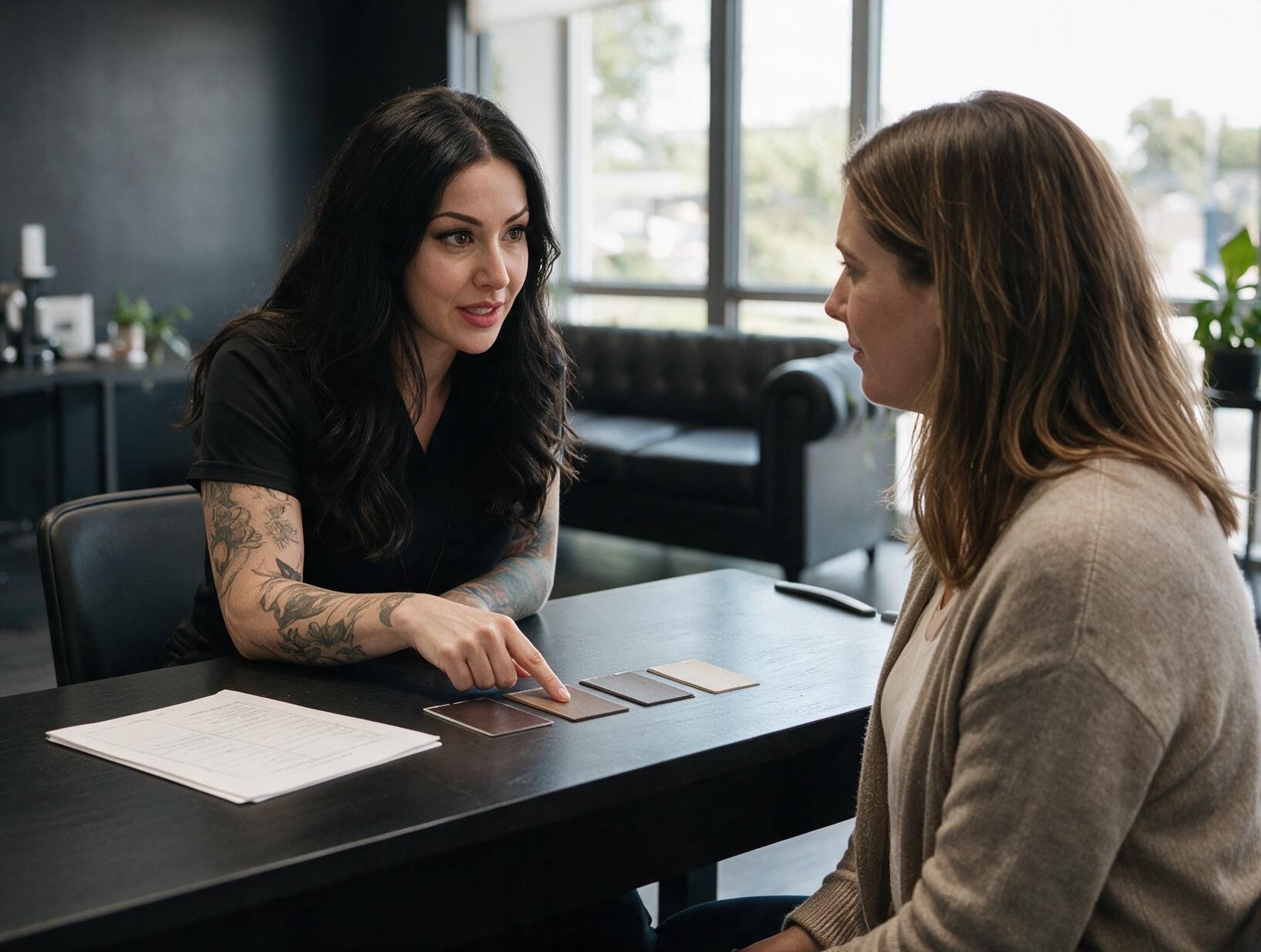
Your preferences matter as well. If you prefer a subtle everyday brow, tell me that clearly during the consultation. Bring reference images if they help explain the finish you like, but remember that a photo cannot be copied exactly from one face to another. Your skin and natural brow pattern affect the result.
If you are unsure whether this technique suits you, my guide to who is a good candidate for ombre brows explains the factors I consider before treatment.
What can make ombre brows appear too strong?
Some factors are within your control, particularly during healing. Avoid makeup directly on the treated area while the skin is recovering, and follow the aftercare instructions I provide. Water, sweat, sun exposure, picking, and rubbing can all interfere with the healing surface.
Use gentle products around the brows. During healing, avoid products containing exfoliating acids, strong fragrance, or harsh detergents. These can be irritating to recovering skin and may affect pigment retention. Once healed, continue to be cautious with harsh exfoliants around the brow area.
Long-term color changes also depend on your skin, sun exposure, and routine. Protecting the healed area from direct sun and avoiding unnecessarily aggressive cleansing can help the color remain more even over time. The pigment will gradually fade, and the pace varies between people.
My ombre brows aftercare instructions cover what to do and what to avoid while the skin heals. I recommend following those instructions rather than combining advice from several different sources.
What if I still dislike the color after healing?
If the brows still seem too dark, too cool, too warm, or too dense after they have fully healed, do not try to correct them yourself. Contact me so I can assess the color, shape, and skin properly. The next step depends on what is actually present beneath the healed skin.
A consultation is also the right time to discuss whether ombre brows are appropriate if you have an active skin concern, particularly oily or acne-prone skin, or another factor that may affect healing. I use consultation to set realistic expectations, not to push you toward a treatment that does not suit you.
I am Tara Rebel, owner of Rebel Aesthetic in Philadelphia. I am American Academy of Micropigmentation certified, a platinum-level AAM trainer and instructor, New Jersey certified, and insured. I also use numbing during the procedure.
If you would like to discuss your brows and the finish you want, you can get in touch with Rebel Aesthetic to arrange a consultation.